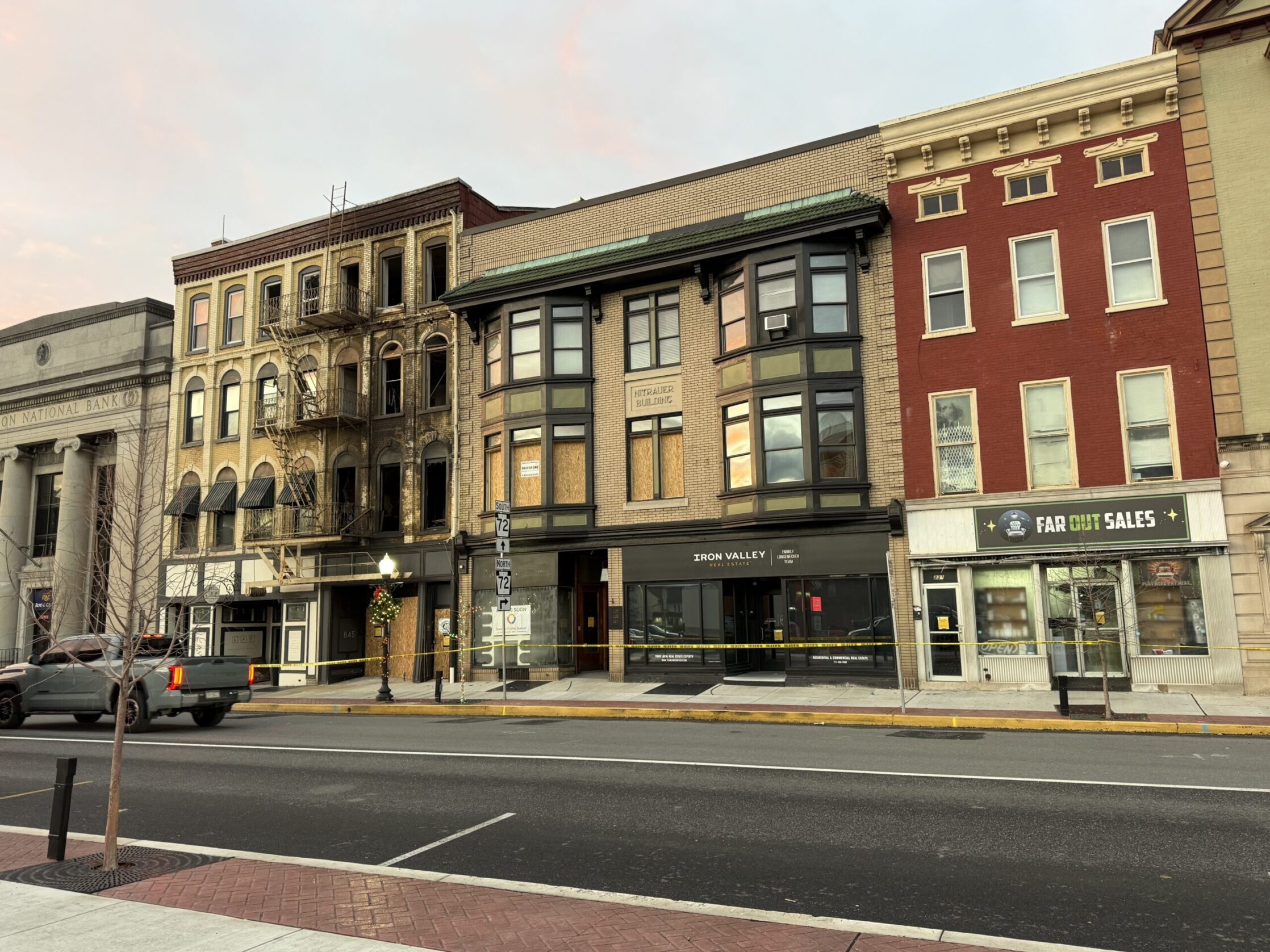
Steady Forward: Lessons from Rebuilding
Owning property comes with a level of responsibility that often extends beyond what we initially expect — especially when that property includes both residential and commercial spaces.
As we continue working through the rebuilding process of our downtown Lebanon property, we’ve been taking a closer look at the different layers of protection involved in property ownership. While our first post in this series focused on homeowners insurance, this next piece shifts the focus to something just as important — commercial property insurance.
For business owners and landlords, insurance coverage isn’t just about protecting a building. It’s about protecting income, operations, tenants, and long-term investments.
If you haven’t already, you can also review our home insurance review checklist for homeowners, which covers similar considerations for residential properties.
And like many things, it’s often something that isn’t fully reviewed until it’s needed.
Why Commercial Property Insurance Deserves a Closer Look
Commercial insurance policies tend to be more complex than residential coverage.
There are often multiple parties involved — property owners, business owners, tenants — each with different responsibilities and risks. Coverage needs can vary depending on how the space is used, what improvements have been made, and how the property generates income.
In addition, commercial properties often carry higher financial exposure. When something unexpected happens, it can affect not only the physical structure, but also the ability to operate a business or collect rental income.
Taking the time to review and understand your coverage before you need it can make a significant difference.
What this looks like in real life can be difficult to fully understand until you experience it.

Commercial Property Insurance Checklist
Here are several key areas business owners and landlords may want to review with their insurance agent:
1. Building Coverage & Replacement Costs
Does your policy reflect what it would actually cost to rebuild your property today?
Construction costs, materials, labor, and code requirements can change over time. This is especially important for older buildings or properties with unique features.
Confirm whether your coverage includes rebuilding with like materials, and whether the coverage limits reflect current conditions.
2. Business Interruption Coverage
This is one of the most important — and often least understood — parts of a commercial policy.
Business interruption coverage is designed to help replace lost income if your business or rental property cannot operate due to a covered event.
Things to review:
- How long coverage lasts
- Waiting periods before coverage begins
- What types of income are included
If your business or property had to temporarily relocate, how would that impact your operations and expenses?
Understanding this coverage ahead of time can help you plan for continuity during unexpected disruptions.
3. Tenant Responsibilities & Lease Agreements
For landlords, it’s important to clearly understand how responsibilities are divided between property owners and tenants.
Things to review:
- What your policy covers vs. what tenants are responsible for
- Insurance requirements written into lease agreements
- Whether tenants carry their own liability or business coverage
Gaps between policies can create unexpected exposure, so it’s important that all parties are aligned.
4. Equipment, Fixtures & Improvements
Commercial spaces often include built-in elements that go beyond the structure itself.
This may include:
- Fixtures
- Equipment
- Interior build-outs or improvements
Make sure your policy clearly defines what is covered, especially if changes have been made over time.
5. Code Compliance & Ordinance Coverage
If your building needs to be rebuilt or significantly repaired, it may need to meet current building codes — even if it was originally built under older standards.
This can add unexpected costs.
Review whether your policy includes ordinance or law coverage, which helps cover the cost of bringing a building up to current code requirements.
6. Documentation & Inventory
Having clear documentation can make a difficult situation much easier to manage.
Consider:
- Taking updated photos or videos of your property
- Keeping records of improvements or renovations
- Maintaining a list of major equipment or features and consider including serial numbers
These small steps can save time and reduce stress if you ever need to file a claim.
7. Annual Policy Reviews
Commercial properties are constantly evolving.
Tenants change. Spaces are updated. Businesses grow.
Set a reminder to review your policy at least once a year with your insurance agent to ensure your coverage still reflects your current situation.
A Note from Experience
One of the things we’ve been reminded of through this process is how important it is to understand not just what your policy says, but how it functions when you actually need to use it.
For many property owners, unexpected events can impact not only the building itself, but also the ability to operate, generate income, or maintain day-to-day routines.
Thinking through these possibilities ahead of time — even briefly — can make those moments a little easier to navigate.
Moving Forward — Protecting Your Investment
Whether you own a commercial building, lease space to tenants, or operate a business, your property is more than just a structure — it’s an investment in your future.
Taking time to review your insurance coverage, ask questions, and work with a trusted local professional can help ensure you’re prepared for whatever comes next.
If you ever have questions about your property, its value, or long-term planning, our team is always happy to help.
You can learn more about us here or reach out anytime.
This is the second post in our Steady Forward: Lessons from Rebuilding series. You can read the first post here:
Protect What Matters: A Home Insurance Review Checklist for Homeowners
Steady Forward: Lessons from Rebuilding
This post is part of our ongoing Steady Forward: Lessons from Rebuilding series, where we’re sharing practical insights and real-life lessons from rebuilding our downtown Lebanon property — with a focus on preparation, protection, and thoughtful decision-making.
Explore the series:
- Home Insurance Review Checklist for Homeowners
- Commercial Property Insurance Checklist: What Business Owners Should Review